 By Mobshopio.us@mobshop.online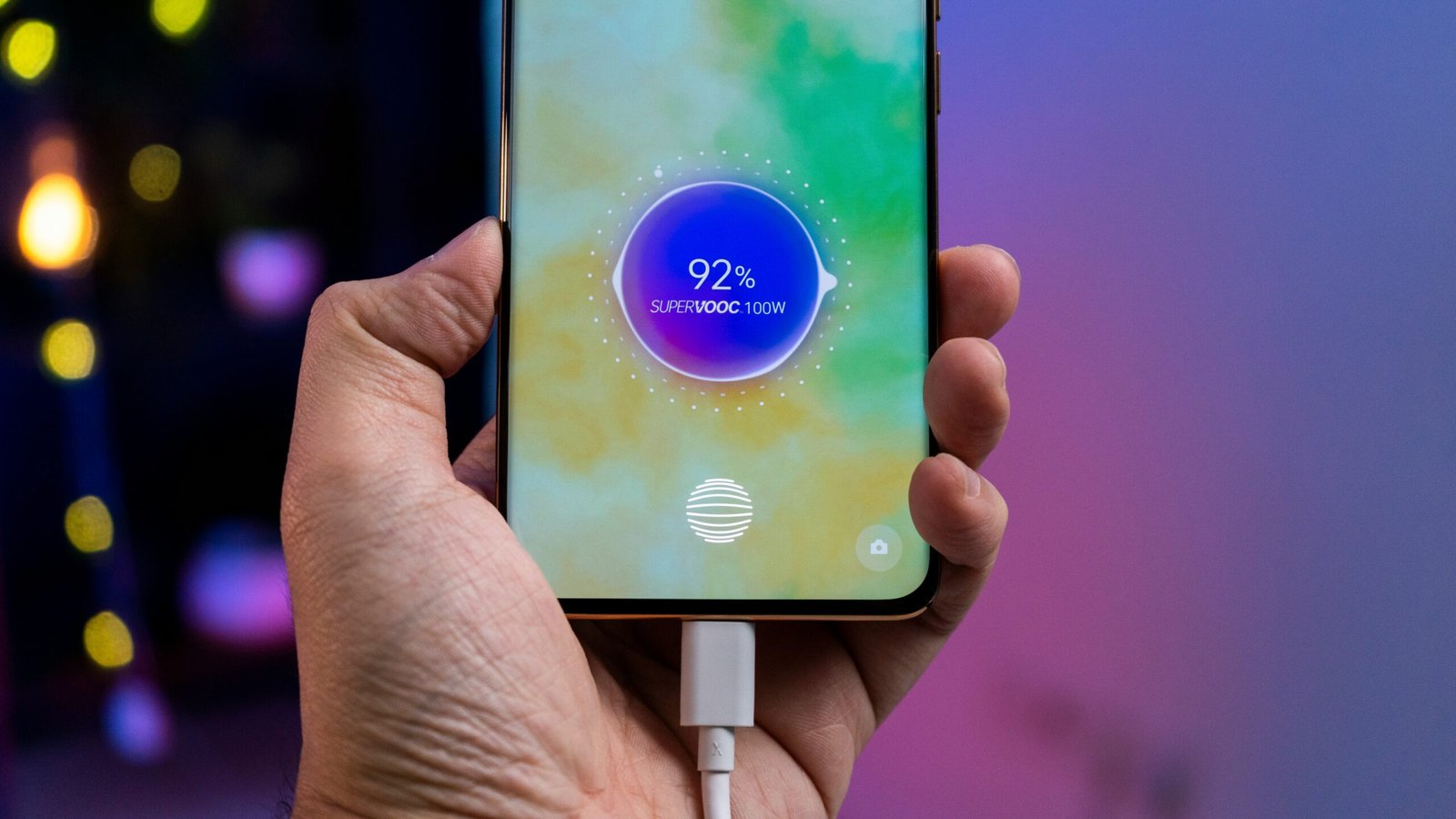
Introduction
Smartphones are used for communication, online work, entertainment, navigation, and digital services. Because usage continues throughout the day, battery consumption has increased. This has made charging technology an important part of smartphone use.
Fast charging technology is designed to reduce the time required to charge a smartphone battery. It helps users continue their daily tasks without long interruptions. As smartphone functions expand, battery performance and charging efficiency become important factors in device selection.
This article explains fast charging technology, how it works, its impact on battery performance, types of fast charging systems, technical components, safety systems, user behavior, compatibility factors, and future development.
Importance Of Smartphone Battery Performance
Smartphone batteries store electrical energy that powers all system functions. This includes the display, processor, sensors, network modules, and applications. As smartphones are used for more tasks, battery usage increases.
Battery performance depends on:
- Charging speed
- Energy storage capacity
- Power efficiency
- Application usage
- Background processes
When battery performance is low, users face frequent charging needs. This affects daily productivity and device usability.
Fast charging technology helps reduce waiting time and improves device availability throughout the day.
Understanding Fast Charging Technology
Fast charging is a system that increases electrical power delivery to a smartphone battery. It allows the battery to charge in less time compared to standard charging methods.
The system works by increasing voltage, current, or both, depending on the charging protocol used by the manufacturer.
Fast charging is controlled through:
- Charger adapter
- Charging cable
- Smartphone charging circuit
- Battery management system
All components must support the same charging standard for proper performance.
How Fast Charging Works
Fast charging operates through controlled power delivery. The system adjusts voltage and current based on battery condition.
Step 1: Initial Charging Phase
When the battery is low, the system allows higher power input to increase charging speed.
Step 2: Regulation Phase
As the battery level increases, the system reduces power to maintain safety and control temperature.
Step 3: Final Charging Phase
When the battery reaches near full capacity, charging slows down to protect battery health.
This process helps balance speed and battery safety.
Components Of Fast Charging System
Charger Adapter
The adapter converts electrical power from a power source into usable voltage for the smartphone.
Charging Cable
The cable transfers power from adapter to device. Cable quality affects charging speed and stability.
Charging Port
The smartphone port receives electrical power and connects it to internal charging circuits.
Battery Management System
This system monitors temperature, voltage, and current to prevent damage.
Charging IC
The integrated circuit controls power flow inside the device.
Types Of Fast Charging Technologies
Standard Fast Charging
This method increases charging speed compared to traditional charging but remains within moderate power limits.
USB Power Delivery
USB Power Delivery is a universal charging standard used in many devices. It supports variable power levels depending on device requirements.
Qualcomm Quick Charge
This technology adjusts voltage and current dynamically. It is widely used in Android smartphones.
VOOC And SuperVOOC
These systems focus on high current charging to reduce charging time. They are designed for specific smartphone brands.
Adaptive Fast Charging
This system adjusts power based on device condition and temperature.
Impact On Battery Performance
Fast charging affects battery performance in different ways depending on usage and system design.
Charging Efficiency
Fast charging reduces time required to reach usable battery levels.
Heat Management
Higher power input generates heat. Devices use cooling systems to manage temperature.
Battery Lifespan
Repeated exposure to high power levels may affect long-term battery health if not properly managed.
Usage Convenience
Fast charging supports continuous smartphone usage during busy schedules.
Safety Mechanisms In Fast Charging
Modern smartphones include multiple safety systems to protect battery health.
Temperature Control
Sensors monitor heat levels during charging.
Voltage Regulation
Systems adjust voltage to prevent overload.
Current Limiting
Current flow is controlled to avoid battery stress.
Automatic Shutdown
Charging stops when full capacity is reached.
Role Of Fast Charging In Daily Life
Fast charging supports users in different situations:
Work Environment
Users can quickly charge devices during short breaks.
Travel
Fast charging supports device use during movement and long trips.
Emergency Usage
Users can restore battery power quickly during urgent situations.
Heavy Usage
Users who use applications continuously benefit from reduced downtime.
Compatibility Factors
Not all devices support all fast charging systems. Compatibility depends on:
- Device hardware
- Charging adapter type
- Cable rating
- Software support
- Charging protocol
Using incompatible chargers may reduce performance.
Charging Speed Factors
Charging speed depends on several conditions:
Battery Capacity
Large batteries take more time to charge even with fast charging.
Power Output
Higher wattage chargers provide faster charging speed.
Temperature Conditions
High temperature may reduce charging speed for safety.
Background Activity
Running applications may consume power during charging.
Advantages Of Fast Charging Technology
Reduced Charging Time
Users spend less time connected to power sources.
Better Productivity
Devices remain available for use throughout the day.
Convenience
Users can charge devices during short breaks.
Improved Mobility
Fast charging supports users who travel frequently.
Limitations Of Fast Charging
Heat Generation
Fast charging produces heat that must be managed.
Battery Stress
Repeated high-speed charging may affect long-term battery stability.
Compatibility Issues
Different brands use different charging systems.
Accessory Dependence
Fast charging requires compatible adapters and cables.
Battery Technology And Fast Charging
Battery technology plays an important role in fast charging performance.
Modern lithium-ion batteries are designed to:
- Store energy efficiently
- Support fast charging cycles
- Maintain stable output
- Manage temperature
Battery management systems help maintain safety during charging cycles.
Charging Behavior And User Habits
User behavior affects battery performance and charging efficiency.
Common practices include:
- Charging during short intervals
- Avoiding full discharge cycles
- Using certified chargers
- Avoiding overheating conditions
Proper charging habits help maintain battery stability.
Evolution Of Charging Technology
Charging technology has developed from slow charging systems to high-speed power delivery systems.
Earlier systems delivered low power output, requiring long charging times. Modern systems use advanced circuits to improve efficiency and reduce charging duration.
Development continues in areas such as:
- Wireless fast charging
- Multi-device charging systems
- Smart power distribution
- Energy efficiency improvements
Wireless Fast Charging
Wireless charging uses electromagnetic fields to transfer energy without cables. Some systems now support fast wireless charging with improved efficiency.
Wireless systems provide convenience but may generate more heat compared to wired systems.
Environmental Impact
Fast charging technology reduces time connected to power sources, but energy efficiency depends on usage patterns and charger design.
Manufacturers are working on:
- Energy-efficient adapters
- Low-power standby systems
- Recyclable materials in chargers
Market Demand For Fast Charging Devices
Demand for fast charging technology continues to grow because users rely heavily on smartphones for daily tasks.
Factors include:
- Increased smartphone usage
- Higher battery capacity devices
- Busy work schedules
- Mobile-based services
Manufacturers include fast charging support in most modern devices.
Future Of Fast Charging Technology
Future development may include:
- Higher wattage charging systems
- Improved heat control
- Faster battery chemistry
- Wireless high-speed charging
- AI-based power management
These improvements aim to reduce charging time while maintaining battery safety.
Common Mistakes In Charging
Users often make mistakes such as:
- Using low-quality chargers
- Overcharging devices
- Using incompatible cables
- Charging in high temperature conditions
These practices may affect battery performance over time.
Conclusion
Fast charging technology improves smartphone battery performance by reducing charging time and supporting continuous device usage. It plays an important role in modern mobile technology where users depend on smartphones for daily activities.
Different fast charging systems use various methods to control power delivery while maintaining safety. Battery management systems help regulate heat, voltage, and current during charging.
As smartphone usage continues to increase, fast charging technology will remain an essential part of mobile development. Future improvements will focus on speed, safety, and energy efficiency while supporting long-term battery performance.