 By Mobshopio.us@mobshop.online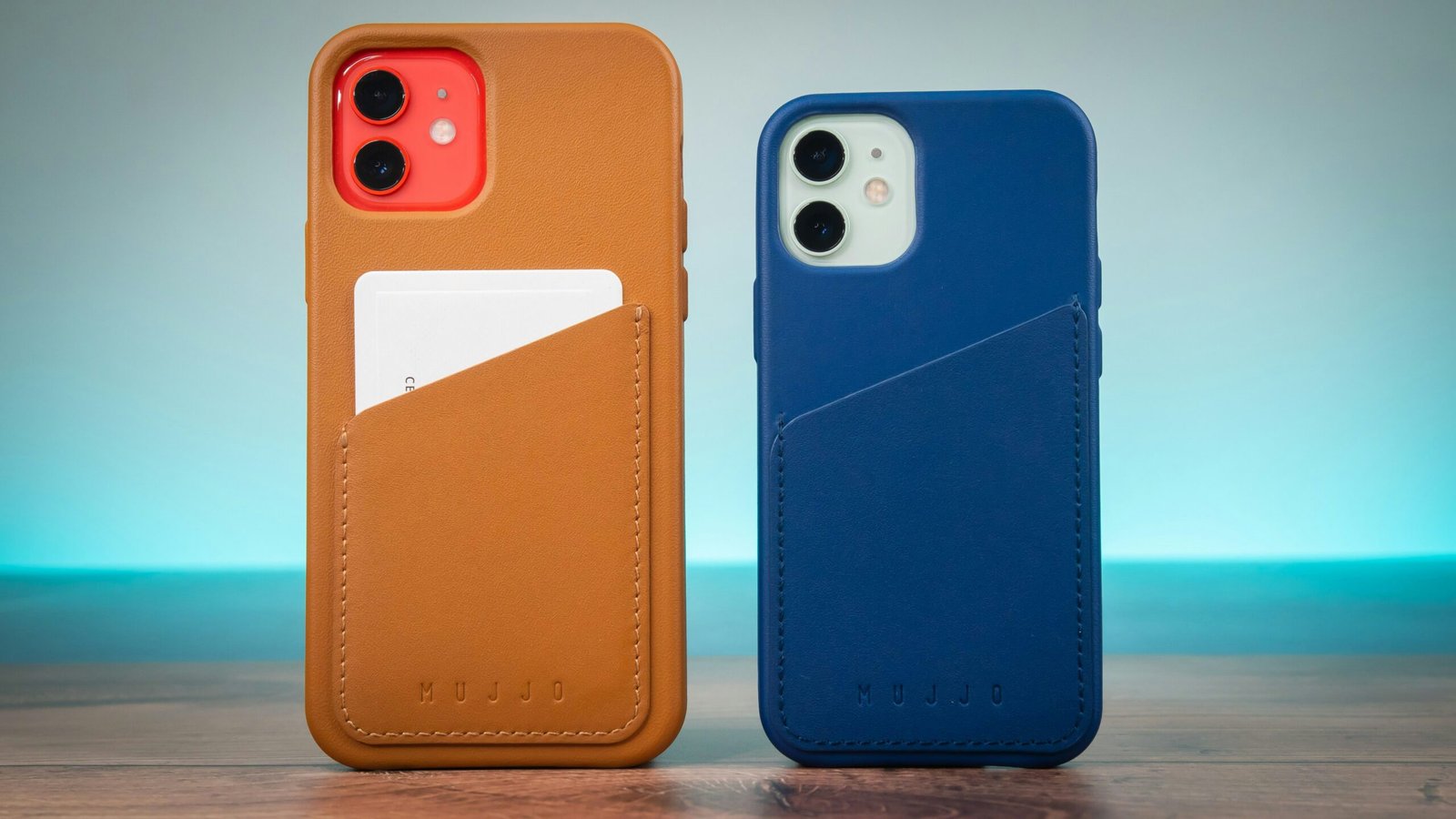
Introduction
Smartphones are part of daily life for communication, work, education, entertainment, banking, shopping, and navigation. People carry their phones everywhere, which increases the risk of drops, scratches, dust exposure, and accidental damage. A phone case helps reduce these risks and supports long-term device use.
Phone cases are available in many materials, designs, and structures. Some focus on protection, while others support grip, storage, wireless charging, or stand functionality. A case also helps users maintain the physical condition of a smartphone during regular use.
The demand for phone cases continues to grow because smartphone prices continue to increase. Users want to avoid screen repairs, body damage, and replacement costs. A suitable phone case can help reduce these expenses and maintain device performance over time.
This article explains the role of stylish phone cases in smartphone protection, the types of cases available, materials used in manufacturing, buying considerations, maintenance methods, and future trends in phone case production.
Importance Of Smartphone Protection
Smartphones contain sensitive internal components such as processors, batteries, cameras, and displays. Even a small drop can damage these components and affect performance. Cracked screens, damaged charging ports, and broken camera lenses are common problems caused by physical impact.
Repair costs for smartphones can be high, especially for recent models. Replacing displays or internal components often requires professional repair services. A protective phone case reduces direct impact during accidental drops and helps lower repair risks.
Protection is also important for resale value. Phones with fewer scratches and dents usually maintain higher market value. Users who upgrade devices regularly often use cases to preserve physical condition.
Another important factor is hygiene and cleanliness. Phone cases reduce direct contact between the phone body and external surfaces. Cases can also be removed and cleaned separately, helping users maintain better device hygiene.
Evolution Of Phone Cases
Phone cases were originally simple protective covers made from plastic or leather. Early designs focused only on reducing scratches and improving grip. As smartphones evolved, case manufacturers started producing cases with additional functions and design variations.
Modern phone cases now include:
- Shock absorption layers
- Raised camera protection
- Screen edge protection
- Card holders
- Foldable stands
- Magnetic support
- Wireless charging compatibility
Manufacturers also produce cases based on lifestyle requirements. Some users prefer slim cases for portability, while others choose rugged cases for outdoor work or travel.
Phone case production has become part of the smartphone accessory industry. Online stores, mobile shops, and electronic retailers now offer thousands of case designs for different smartphone brands and models.
Types Of Stylish Phone Cases
Silicone Phone Cases
Silicone cases are common because of their flexible structure and simple installation. These cases provide grip support and help reduce scratches. Silicone absorbs minor impacts and helps prevent slipping during use.
Users often select silicone cases because they are lightweight and easy to clean. These cases are available in many colors and designs.
Hard Plastic Cases
Hard plastic cases provide structural support for smartphones. They protect the back panel from scratches and help maintain the phone shape during daily use.
These cases are usually thin and suitable for users who prefer compact designs. However, some hard plastic cases may provide limited shock absorption during strong impacts.
Hybrid Phone Cases
Hybrid cases combine multiple materials such as silicone and polycarbonate. These cases aim to balance impact protection and structural support.
Hybrid cases often include reinforced corners because corners usually receive direct force during accidental drops.
Leather Phone Cases
Leather cases provide a professional appearance and additional grip. Some leather cases include flip covers that protect both the screen and back panel.
Wallet-style leather cases may also contain card storage sections for carrying identification cards or payment cards.
Rugged Phone Cases
Rugged cases are designed for users working in construction, travel, field operations, or outdoor activities. These cases include thick protective layers and reinforced edges.
Some rugged cases also provide dust resistance and water resistance support. Although rugged cases increase phone size, they offer additional protection during difficult conditions.
Transparent Phone Cases
Transparent cases allow users to display the original phone design while maintaining protection. These cases are commonly made from TPU or clear polycarbonate materials.
Many users prefer transparent cases because they preserve the smartphone appearance without covering brand details or device colors.
Materials Used In Phone Case Manufacturing
Thermoplastic Polyurethane TPU
TPU is widely used in flexible phone cases because it combines elasticity and durability. TPU cases provide grip support and absorb impact during minor drops.
This material also supports slim case designs without adding much weight.
Polycarbonate
Polycarbonate is a strong plastic material used in hard-shell cases. It provides structural support and resists pressure damage.
Manufacturers often combine polycarbonate with TPU for hybrid case production.
Silicone
Silicone remains one of the most common phone case materials because of its flexibility and grip characteristics. Silicone cases are soft and simple to install.
Leather
Leather is used in premium and wallet-style phone cases. Manufacturers use genuine leather or synthetic leather depending on pricing and production requirements.
Metal Components
Some phone cases contain metal frames or magnetic components. These parts support stands, mounts, or magnetic charging systems.
Features Supporting Smartphone Protection
Raised Screen Edges
Raised edges help reduce direct contact between the screen and flat surfaces. When the phone falls face down, the raised border helps protect the display.
Camera Protection
Modern smartphones include camera modules that extend from the phone body. Protective cases often contain raised camera rings to reduce lens scratches.
Shock Absorption
Shock absorption layers distribute impact force during drops. Flexible materials inside the case help reduce pressure on internal components.
Corner Reinforcement
Phone corners usually experience strong impact during falls. Reinforced corner structures help reduce damage risk.
Anti Slip Grip
Textured surfaces improve grip and reduce accidental slipping during handling.
Wireless Charging Compatibility
Many modern cases support wireless charging without removing the case. Manufacturers design these cases with materials that allow charging transmission.
Role Of Stylish Design In Phone Cases
Phone cases are not only protective accessories. Many users consider them part of personal style and daily appearance. Manufacturers produce cases in different colors, patterns, textures, and themes.
Popular design categories include:
- Minimal designs
- Business style designs
- Transparent styles
- Printed graphics
- Matte finishes
- Carbon fiber patterns
- Fabric texture designs
Style preferences differ based on age groups, occupations, and usage environments. Some users prefer neutral colors for office use, while others select printed designs for casual use.
Choosing The Right Phone Case
Device Compatibility
Users should select cases designed for their smartphone model. Camera alignment, button placement, and charging port access must match the device structure.
Protection Level
Protection needs depend on usage conditions. Office users may prefer slim cases, while outdoor workers may require rugged protection.
Material Preference
Some users prefer flexible silicone, while others choose hard-shell or leather cases based on comfort and usage habits.
Weight And Size
Large cases provide additional protection but increase device size. Users should balance portability and protection according to daily requirements.
Grip Support
A case should provide comfortable handling and reduce slipping risks.
Cleaning Requirements
Cases exposed to dust or outdoor environments may require regular cleaning. Materials such as silicone are usually easier to clean.
Benefits Of Using Stylish Phone Cases
Reduces Physical Damage
Phone cases help lower the risk of scratches, dents, and cracked screens.
Improves Device Lifespan
Protection from external damage helps maintain smartphone condition for longer periods.
Supports Better Handling
Grip-enhancing surfaces improve handling and reduce accidental drops.
Maintains Resale Value
Phones in better physical condition often retain higher resale value.
Provides Design Customization
Users can personalize device appearance through different colors and styles.
Supports Daily Convenience
Some cases include card holders, stands, or magnetic support features.
Common Problems Without Phone Cases
Users who avoid phone cases may experience:
- Screen cracks
- Camera scratches
- Body dents
- Reduced resale value
- Grip problems
- Dust exposure
- Surface wear
Modern smartphones contain glass backs and large displays, increasing the need for physical protection during daily handling.
Cleaning And Maintenance Of Phone Cases
Phone cases should be cleaned regularly because they collect dust, oils, and bacteria during daily use.
Cleaning Silicone Cases
- Remove the case from the phone
- Use mild soap and water
- Dry completely before reinstalling
Cleaning Leather Cases
- Use a soft dry cloth
- Avoid excessive water exposure
- Store away from moisture
Cleaning Transparent Cases
Transparent cases may become yellow over time. Regular cleaning helps reduce discoloration caused by dust and sunlight exposure.
Phone Cases And Wireless Technology
Modern smartphone accessories support wireless systems such as wireless charging and magnetic mounts. Case manufacturers now design products that remain compatible with these technologies.
MagSafe-compatible cases for smartphones support magnetic charging alignment and accessory attachment without removing the case.
This compatibility allows users to maintain protection while continuing to use charging stands, holders, and wireless systems.
Environmental Considerations In Phone Case Manufacturing
The increase in smartphone accessory production has raised environmental concerns regarding plastic waste. Some manufacturers now produce biodegradable or recyclable phone cases.
Eco-focused materials include:
- Plant-based plastics
- Recycled TPU
- Recycled silicone
- Biodegradable polymers
Consumers interested in sustainability may choose environmentally responsible products to reduce waste generation.
Online Shopping For Phone Cases
E-commerce platforms have expanded the phone case market. Users can compare prices, materials, customer reviews, and design options online.
Before purchasing online, users should check:
- Smartphone model compatibility
- Material information
- Product dimensions
- Customer reviews
- Return policies
Product images should clearly display camera cutouts, button sections, and edge structures.
Market Demand For Stylish Phone Cases
The smartphone accessory market continues to expand because smartphone ownership continues to grow worldwide. Many users purchase multiple cases for different environments and usage conditions.
The market includes:
- Budget phone cases
- Business cases
- Gaming phone cases
- Outdoor protection cases
- Fashion-oriented designs
Manufacturers regularly release new products after smartphone launches because device dimensions change frequently.
Future Trends In Phone Case Development
Future phone cases may include additional technology features such as:
- Antimicrobial coatings
- Smart notification systems
- Battery support modules
- Integrated tracking systems
- Sustainable materials
- Modular accessory support
Manufacturers continue researching materials that improve protection while reducing weight and thickness.
Conclusion
Stylish phone cases play an important role in smartphone protection and daily usability. They help reduce physical damage, improve grip, support device maintenance, and allow users to personalize smartphone appearance.
Different materials and structures provide different protection levels depending on user requirements. Silicone, hybrid, rugged, leather, and transparent cases each serve different purposes based on lifestyle and work conditions.
As smartphone prices continue to increase, the importance of protective accessories also continues to grow. Choosing a suitable phone case can help users reduce repair costs, maintain resale value, and support long-term device use.
Modern phone cases combine protection, design, convenience, and technology compatibility. With continuous innovation in materials and manufacturing, phone cases remain an important part of the smartphone accessory industry.